
Coffee That Creates Lasting Impact
Every bag of Warm Hearts Coffee Club coffee does more than deliver exceptional flavor: it helps create opportunities for children and families across Malawi, using the procedures to provide school meals for children.
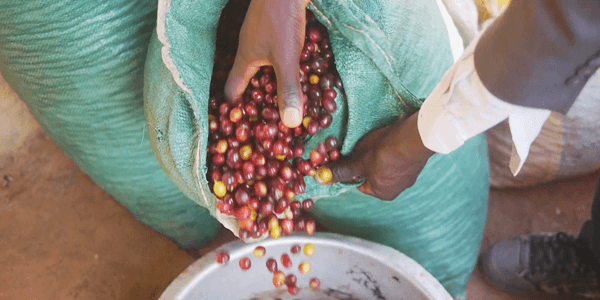
Our coffee is ethically sourced from smallholder farmers in Malawi and sold in partnership with Seibo Japan, with procedures supporting school meal programs, education initiatives, and community development projects. By choosing Warm Hearts Coffee Club, you’re helping transform everyday coffee into meaningful change.
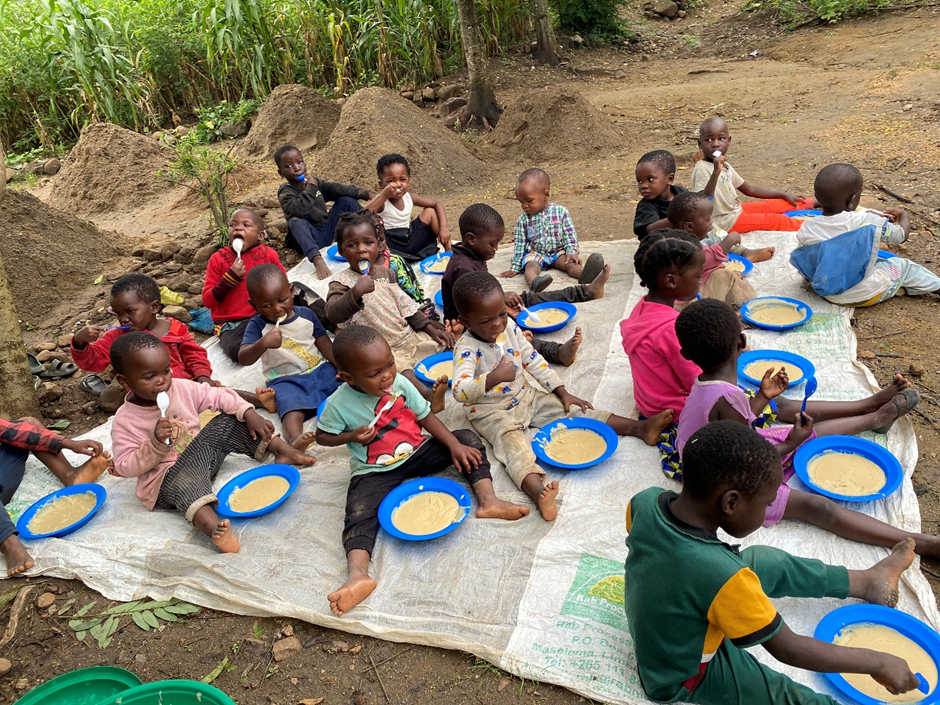
What begin as emergency relief for 663 nursery school children affected by severe flooding in February 2016 has grown into a movement that now reaches more than 14,000 children every day. Together, Seibo Japan and Warm Hearts Coffee Club have helped provide more than 3 million school meals, including near 200,000 meals in April alone. These meals do more than address hunger, they improve school attendance, support learning, and create opportunities for children to build brighter futures.
Through education, nutrition, and community development initiatives, Seibo Japan continues to support children and families across Malawi. Warm Hearts Coffee Club helps make that impact possible by connecting coffee lovers with meaningful change.
Seibo’s coffee company, Warm Hearts Coffee Club plays an important role in making this impact possible. By connecting coffee lovers with ethically sourced Malawian coffee, every purchase helps support both smallholder farmers and life-changing programs that strength communities across Malawi.
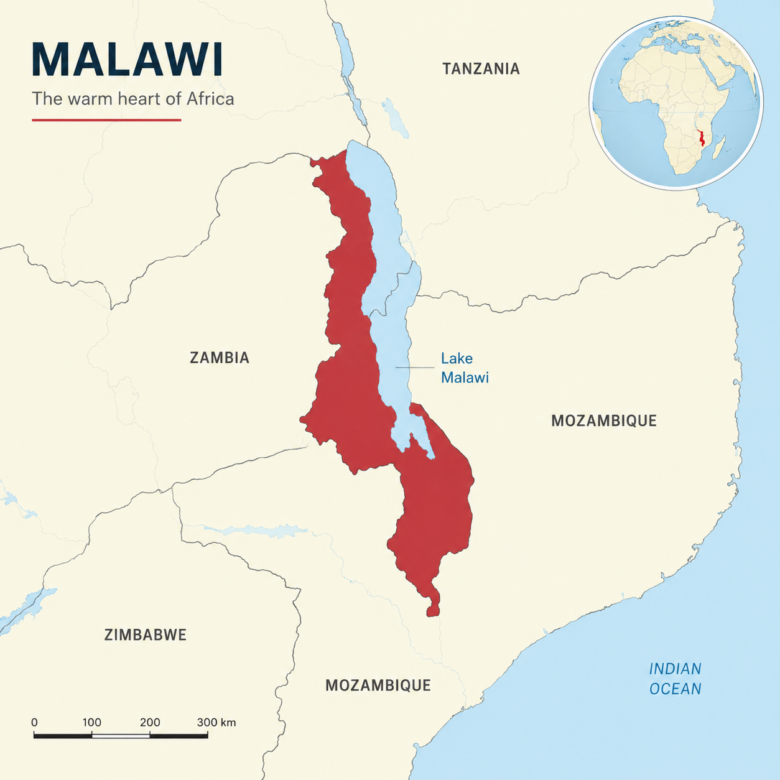
Have you heard of Malawi? Located in southeastern Africa, Malawi is known for its stunning natural beauty and the last Lake Malawi, which stretches along much of the country’s eastern border. Much of the country sits on high-altitude plateaus and receives abundant rainfall, creating ideal conditions for growing exceptional coffee.
Coffee rooted in the Heart of Malawi
Our team travels to the coffee-growing regions of Malawi to meet local farmers, learn about sustainable cultivation practices, and better understand the communities behind every harvest. These visits help us ensure quality, transparency, and meaningful impact from farm to cup.
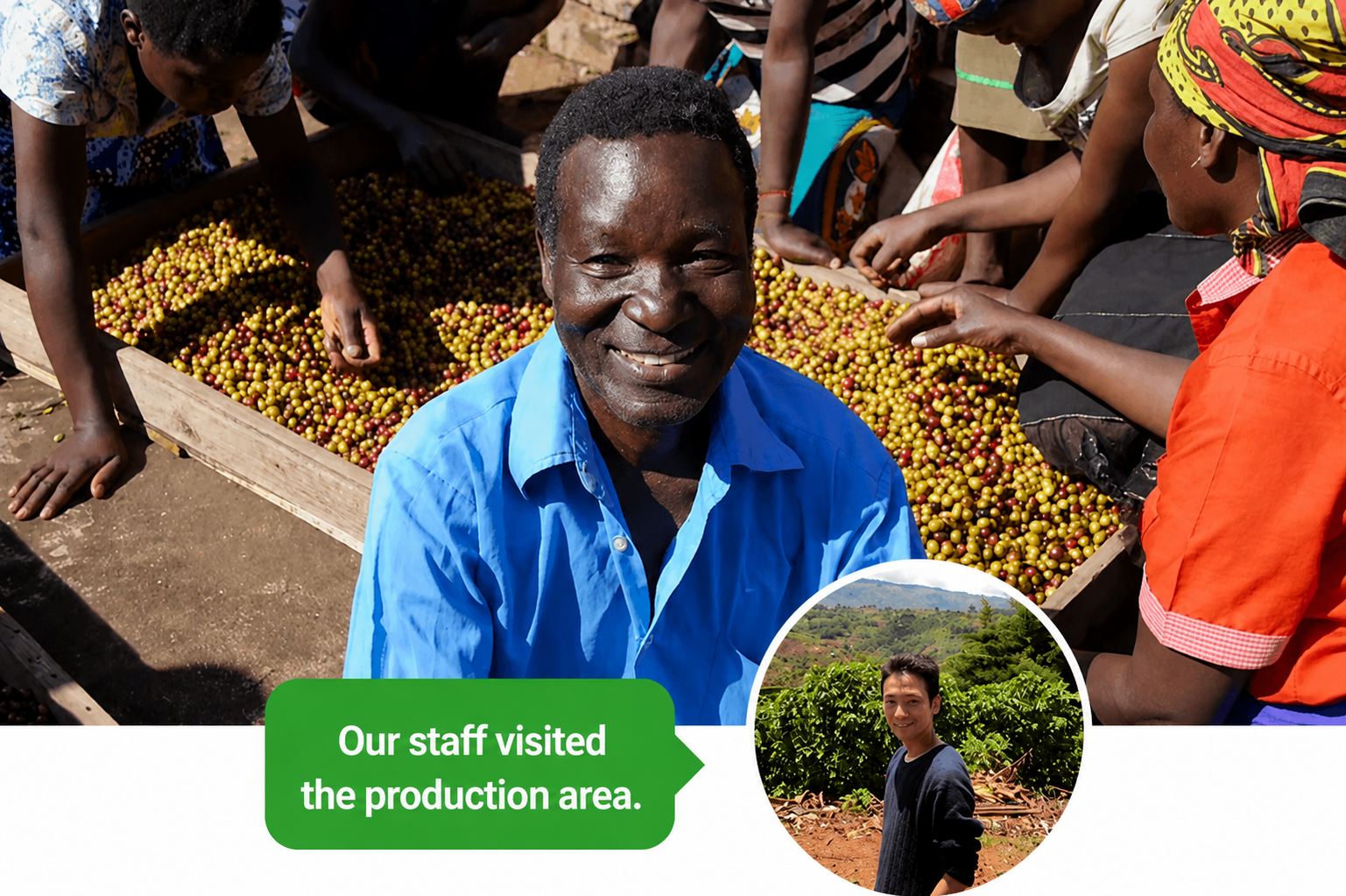
Our visit to Malawi’s Coffee Farms.
At Warm Hearts Coffee Club, we believe great coffee beans at its source. That’s why our team regularly visits coffee-growing communities in Malawi to build relationships with local farmers and learn firsthand about their work.
Our coffee is sourced from carefully selected farms in Malawi, a country known for its fertile highlands, abundant rainfall, and ideal growing conditions. These unique environmental factors help produce high-quality specialty coffee with distinctive flavor and character.
By visiting the communities where our coffee is grown, we gain a deeper understanding of the people, trades, and challenges behind every harvest. These relationships allow us to support sustainable farming practices while sharing the stories behind each cup of coffee with our members.
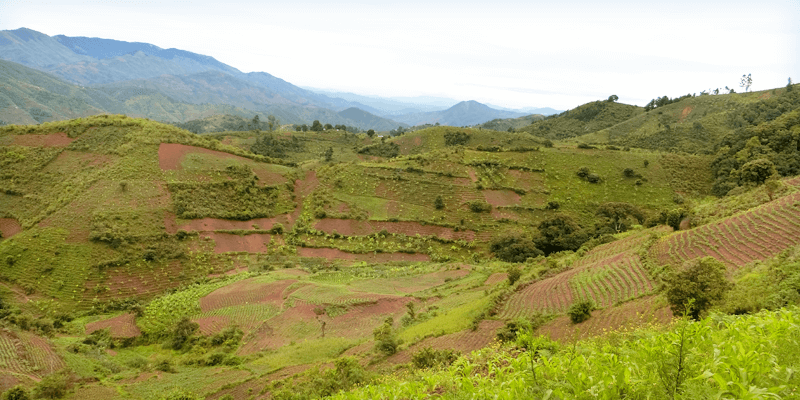
Malawi is one of the world’s least-developed countries and faces significant economic challenges. However, it is also home to fertile highlands, rich soils, and an ideal climate for growing exceptional coffee. Although Malawian coffee is still relatively rare in Japan, it is highly valued for its quality and distinctive character. At Warm Hearts Coffee Club, we carefully select AA-grade coffee beans to ensure every cup delivers outstanding flavor while supporting the communities that grow it.
Cultivated in the African wilderness
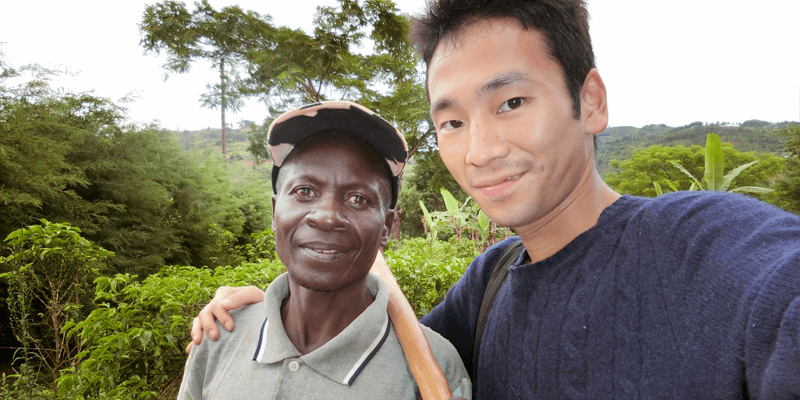
Warm Hearts Coffee Club’s Malawi coffee beans are grown in the wilderness at an attitude of 2,000 metres in the Misuku region of northern Malawi. I met Tony from Missuk Farm. Tony and other coffee farmers begin their day before sunrise, tending to their fields and caring for the land that sustains their communities.
Rather than relying on pests or chemical fertilizers, farmers use natural and sustainable growing methods. By planting a variety of crops alongside coffee trees, they enrich the soil, promote biodiversity, and create a healthier environment for their harvests.
Banana trees play an important role in this ecosystem. Their broad leaves provide shade for young coffee plants, help retain moisture in the soil, and protect crops during the dry season. These traditional farming practices contribute to both the quality of the coffee and the long-term health of the land.
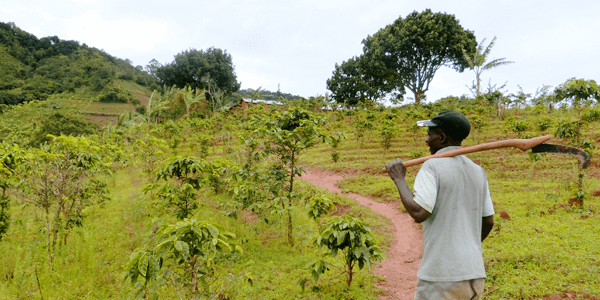
Across northern Malawi, farmers like Tony cultivate coffee on small family farms, tending each plant by hand through the growing season
Contributing to sustainable coffee production
Next, we visited a washing station that handles the primary processing of coffee. It is managed by the Mzuzu Coffee Cooperative, which comprises 3,000 small coffee plants, and similar facilities are located in each region.
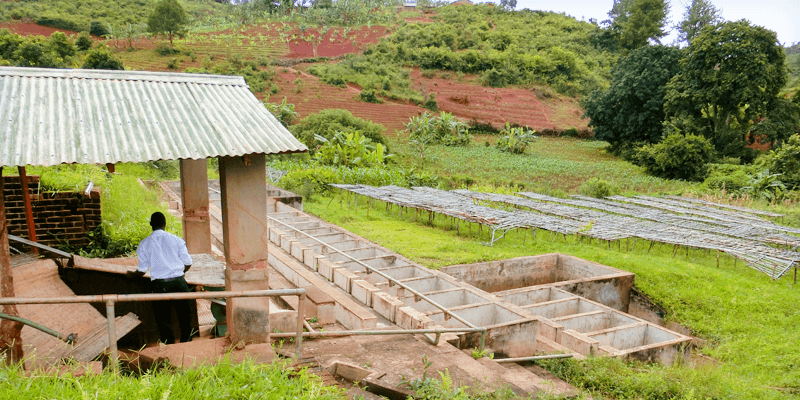
By bringing in farm-harvested coffee cherries, removing the skin and pulp while they are still fresh, and washing them in water, we can produce high-quality coffee beans with a clean taste. To wash the water, we use natural water piped directly from Mount Mughese.
Further, the Mzuzu Coffee Cooperative producers coffee in accountability with the working conditions and environmental standards of its producers. We obtained International Fairtrade certification in 2009 and 4C certification in 2011.
In addition to fair trade in coffee beans, international fair trade certification provides incentives called fair trade premiums to producers, which can be used to improve production and develop local communities. We visited local hospitals that operate on subsidiaries and speak to doctors. Having a local hospital is said to be a great help to people living in the hard-to-reach Misk region.
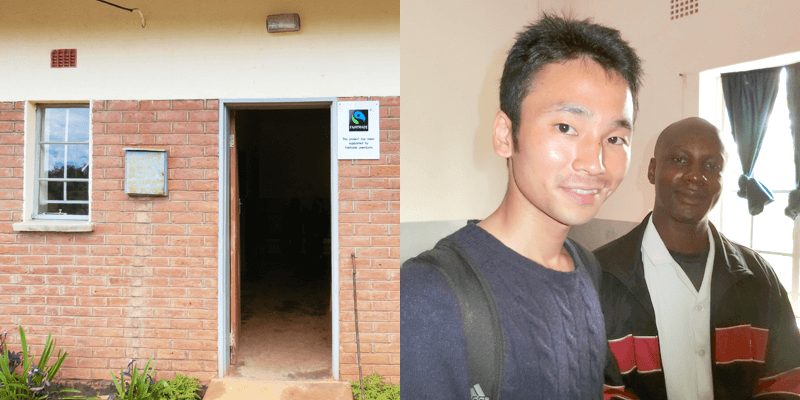
In this way, drinking coffee not only protects the livelihood of coffee producers but also contributes to the society of the region where it is produced as a whole.
Recommended for first-time users
-

ブルンジコーヒー ドリップバッグ10袋
¥3,240 Add to cart -

Malawi Impact Lesson
Start the Lesson! -
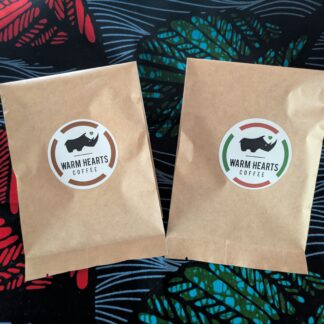
【初回限定】ブルンジコーヒー お試しサイズ100g
¥1,296 Select options This product has multiple variants. The options may be chosen on the product page -
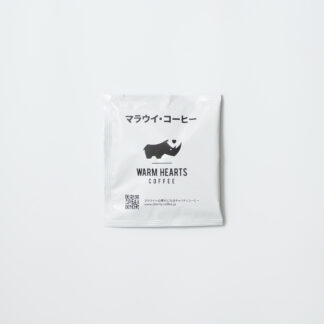
10-pack Malawian Drip Pack Coffee
¥3,240 Add to cart
Sign up for our free newsletter and get a 10% OFF coupon